At some point, most small businesses ask the same question. Do we get our own office, or do we stay flexible? It's a question that sounds simple but has more moving parts than most people realise when they first sit down to think it through.
What a commercial lease actually commits you to
A standard commercial office lease in the UK typically runs for three to five years, though shorter terms are available, usually at a premium. You'll pay rent, rates and a service charge separately, and the service charge can vary significantly year to year. You're responsible for dilapidations at the end of the lease, meaning you pay to return the property to its original condition. Depending on what changes you make to the space, this can be a significant sum.
There's also the deposit, usually three to six months' rent, held for the duration of the lease. That's capital tied up that isn't working for your business. The government guide to renting commercial property sets out your full obligations before you sign.
None of this is to say a commercial lease is always the wrong choice. For an established business with predictable headcount and a strong balance sheet, it can make sense. But for a small business in a growth phase, the inflexibility of a lease is often a real constraint.
What flexible coworking actually gives you
A coworking membership runs on weekly or monthly terms. You can scale up or down as your team changes. If you need a private office, you get one within the building without taking on a separate lease. If you grow beyond what the space can hold, you move without dilapidation costs or break clauses.
The infrastructure is shared. Broadband, meeting rooms, reception, printing, kitchen facilities. You're not paying separately for these. You're not managing suppliers for each one. They're there when you need them.
For a small business, this matters because it reduces administrative overhead and removes the need to negotiate separately for every element of a functioning office environment. If you're weighing up a private office specifically, we've covered what to look for in detail.
The honest cost comparison
Lease costs vary widely depending on location and specification. In a town like Worksop, you might find basic office space at £8 to £14 per square foot per annum, before rates and service charge. A small suite of 400 square feet would cost £3,200 to £5,600 in rent alone, plus rates (see the government business rates guidance for how these are calculated) typically adding 40 to 50 pence per square foot in effective cost, plus service charges, plus utilities.
A private office within a coworking building costs a predictable fixed amount, inclusive of all of the above. In most cases, the all-in cost of a coworking private office is lower than the all-in cost of a comparable leased office, once you account for rates, service charges, deposits and dilapidations risk. We've run those numbers in full here.
The flexible workspace vs lease question isn't just about monthly cost. It's about how much risk you're willing to carry on a lease that outlasts your current situation.
When a lease makes more sense
A lease makes sense when you have certainty. Certain headcount. Certain revenue. A brand that benefits from a standalone address rather than a shared building. And a management team that has the bandwidth to deal with property management alongside running the business.
For most small businesses in the early to mid stages of growth, these conditions don't all apply at the same time. Coworking keeps the options open while still providing a professional environment. The lease can wait until the business warrants it.
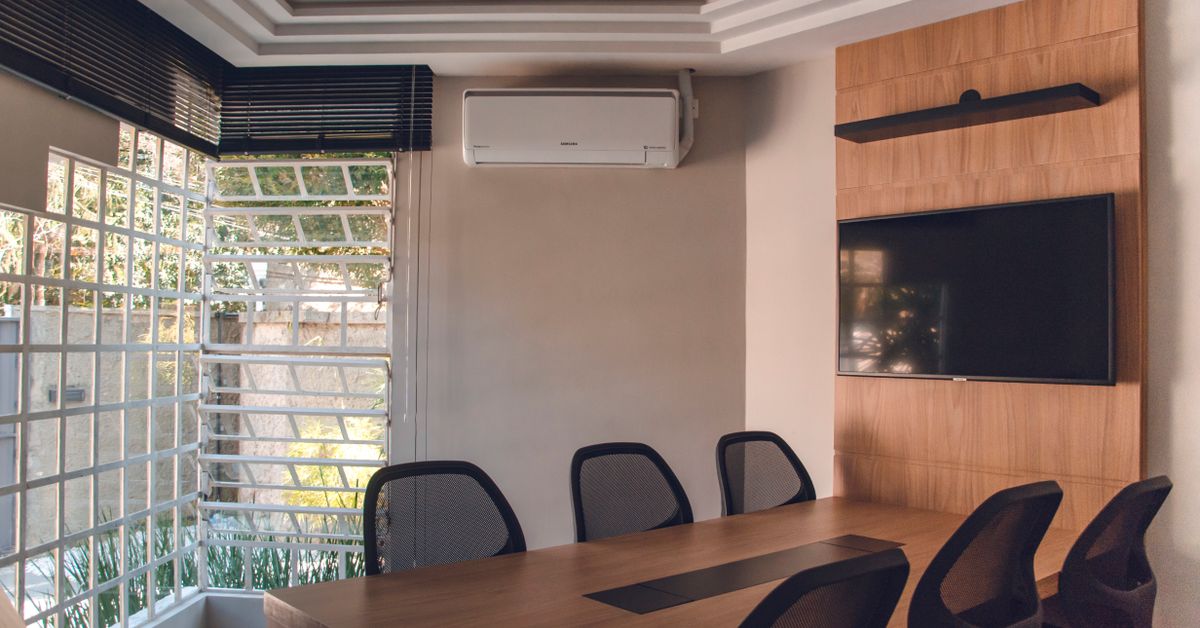
The private offices at Worksop Workspace are designed for exactly that transition point: businesses that need their own space but aren't ready to commit to a standalone lease.
Frequently asked questions
Is coworking cheaper than an office lease?
For most small businesses with 1-5 people, yes. A coworking private office at Worksop Workspace starts at £79 a week all-inclusive vs a typical commercial lease which adds business rates, utilities, broadband, cleaning, insurance, fit-out and a 3-5 year commitment.
How long is a typical commercial office lease in the UK?
Standard commercial leases run 3 to 10 years with rent reviews, break clauses and personal guarantees common. Even "flexible" leases usually start at 12 months. Coworking private offices at Worksop Workspace are rolling weekly with no setup fee.
What's included in a coworking private office vs a leased office?
A Worksop Workspace private office (from £79 a week) includes rent, electricity, heating, water, 900 Mbps fibre, cleaning, parking, tea and coffee, plus shared meeting-room access. A leased office is rent only, you pay everything else separately.
When does an office lease make more sense than coworking?
When you have certain headcount (6+ stable), a brand that benefits from a standalone address, predictable multi-year revenue, and management bandwidth to handle property issues. Until all four are true, coworking keeps options open.
Can I grow from a coworking private office to a larger space?
Yes. Worksop Workspace offers multiple office sizes (12-15 m² each, sized for 1-4 people). You can take adjacent offices as the team grows, or move to a larger room when one comes available, all on rolling weekly terms.